Why I Love Constraints

“All in all, I’d like to suggest we don’t think of constraints as restriction but as liberation. 
It's about finding beauty in limitations, making every shot intentional, and letting your creative voice soar.” 
 —Wesley Verhoeve

Behind the Scenes, June 2026

I’m sharing an excerpt from Wesley Verhoeve, 128 ¤ Why I Love Constraints (And You Should Too).

So, why should you willingly shackle your creativity?

Three benefits:

1. Freedom from Overthinking. By limiting choices, you free up mental bandwidth. No more agonizing over gear, locations, or styles. We are about doing, not thinking or talking.

2. Consistent Visual Voice. Constraints give your work a signature. Your audience recognizes your style, creating a cohesive body of work that speaks volumes.

3. Budget-Friendly Brilliance. Smaller budgets? No problem. Constraints force you to work with what you have, and that often leads to unexpected brilliance. Fancy gear or globetrotting adventures are not a requirement, just a beautiful luxury when possible.

I’m not sure I would have chosen to live with constraints, but there is no doubt that my life is better because of them. Learning to make the most of what I have serves me well. It leads to honoring my body and its limitations, going with my natural talents rather than lamenting those I do not have, living within my financial means, accepting my lot in life and being open to joy anyway. I try to remember this: my life feeds the work.


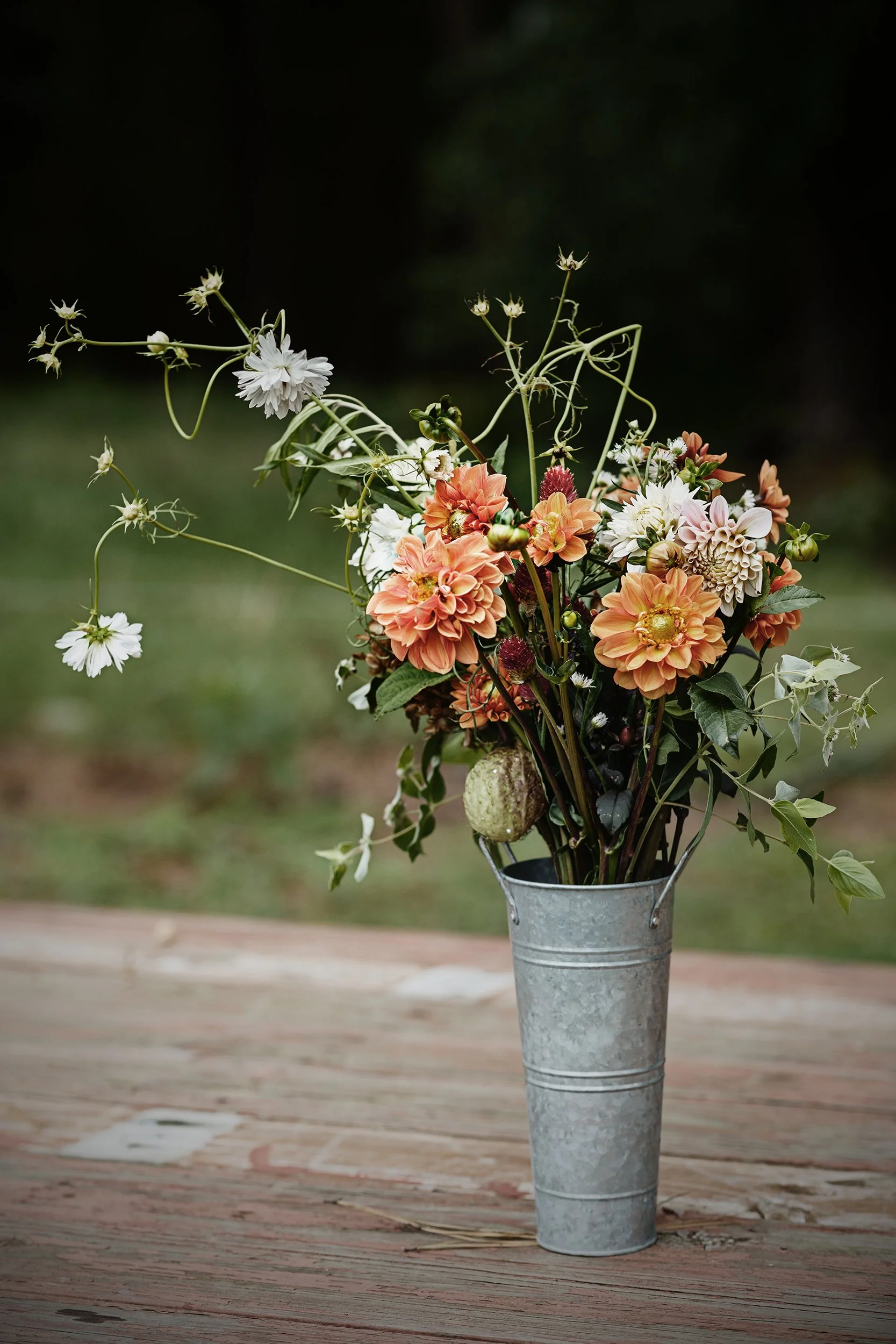
I’ve taken most of the floral portraits for my current project in this makeshift studio space in our garage, using drop cloths as backgrounds, thrift shop purchases like tables and vases, and the garage door opener to direct natural, available light. I can use a 35mm or 50mm lens and just about an 85mm, if I back up all the way to the other wall. I spend a lot of time squatting or sitting on my heels, and I’m almost giddy when I work it out so that I can take the picture standing (my knees are not always happy with this work). When I get frustrated or tired, rather than abandon the project, I step away for a few days, rest, and wait.

Getting Things Done

I enjoy reading Process ☼ On Photography, by Wesley Verhoeve. In his post, How structure can make you more creative (not less): My conversation with David Allen, Wesley reflects on his realization that the goal isn't to get organized just to be able to cram more stuff in, but to get organized so your brain has room to breathe and create again.

Here’s a habit recommended by David Allen that I use to get things done in my creative life.

Capture Everything
Ideas hit while I'm walking with my camera or editing late at night or having dinner. I capture them in Apple Notes right away, no matter how random. Later, during my weekly review, I sort through and decide what's worth pursuing. The key is trusting the system enough to get it out of your head in the moment.

I often have a lot going on in my head and this system of taking notes on my iPhone feels like a pressure release valve. I can get the idea out of my head and make more space for expansive thinking. My husband and I have a shared memory of seeing the movie Night Shift back in 1982 (we were young newlyweds at the time). There was a funny scene featuring Henry Winkler and Michael Keaton. Micheal Keaton’s character was always coming up with hare-brained schemes to make money; he dictated his ideas into a handheld tape recorder so he could remember them. One of those ideas was to improve the making of tuna fish by feeding mayonnaise to live tuna fish. It was incredibly goofy, but also incredibly funny. You can see the classic comedy moment here.

This week I took notes on my Florelegium project.

  • Consider naming each flower on the facing page. Use the common name and the scientific name, too. Think flower illustration book or field guide.

  • Would it be interesting to use vintage/found photographs of people wearing corsages or carrying bouquets to add an element of surprise to the book?

  • Should the images in the book be arranged chronologically, spring/summer/fall/winter? Or would it be better to arrange them in the order that is the most visually appealing without regard for the seasons?

  • Stick strictly to still life scenes of flowers or include views of flowers in-situ? Plan a trip to the flower farm in Orange, Virginia.

Many of my Apple notes get discarded right away. Some I hold on to until I can try the ideas out or consider them more deeply. But either way, I love that creative work goes on all day long. It’s not boxed in by a time schedule or limited to a class or session or photo shoot. Taking notes is a simply a way of being in the world.

Keeping It Real

“Flowers always make people better, happier, and more helpful; 
they are sunshine, food and medicine for the soul.”
—Botanist Luther Burbank

I came across some old issues of Kinfolk magazine from 2012 in a thrift shop, and I’ve been enjoying the stories and photographs. The magazines have held up well in terms of style and substance. The Kinfolk style of photography has influenced my own in meaningful ways, and it’s been fun to reflect on how my creative work has evolved. My pictures from this year have been largely floral still life vignettes, and I’ve grappled with how to keep things original but still sincere and authentic. It was good to be reminded that this is entirely possible; I just need to stretch.